

Blog
Why is crochet so difficult?

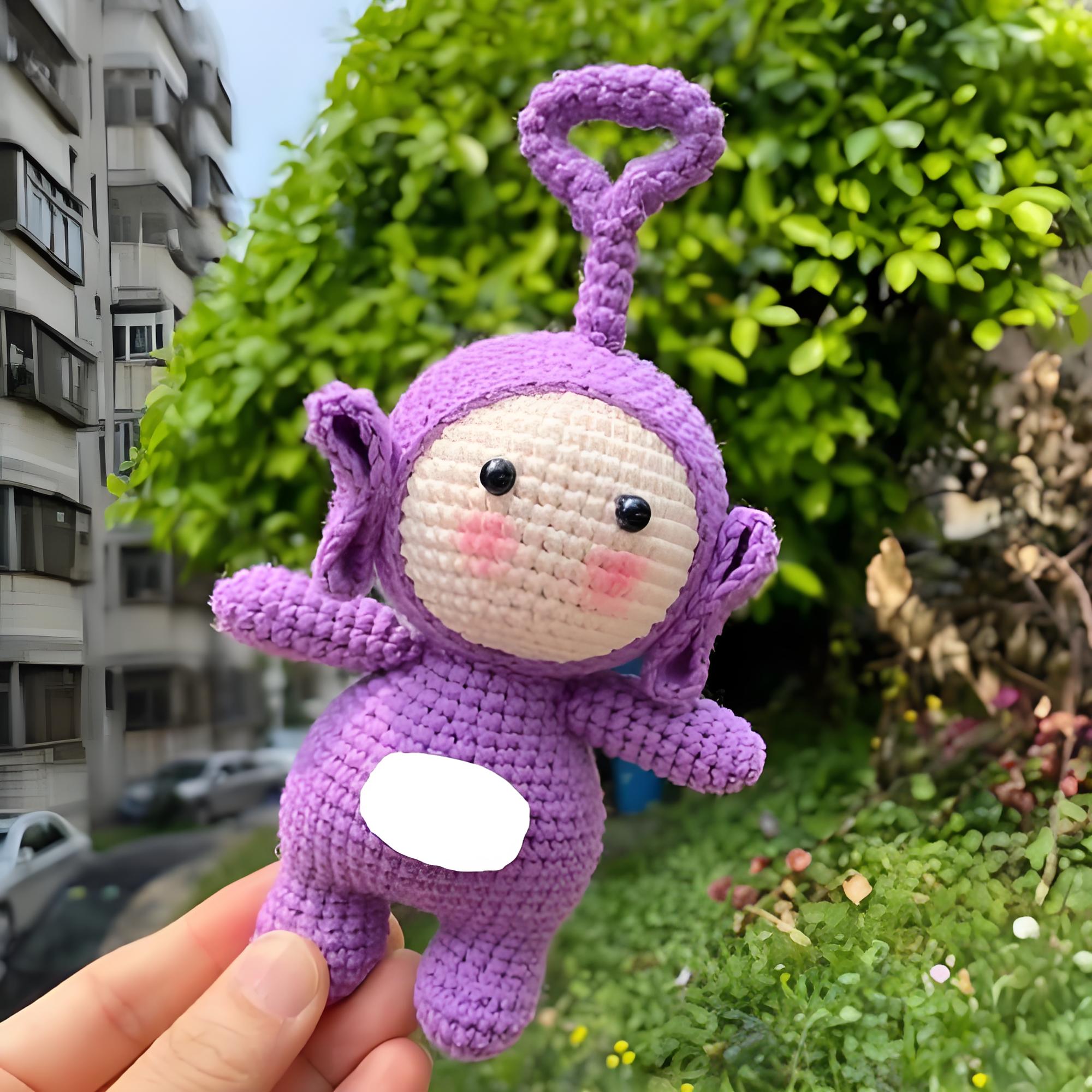
Crochet can be perceived as problematic for several reasons, but it's important to remember that it's a skill that can be learned with practice and patience. Here are some reasons why people might find crochet challenging:
- Hand-eye coordination: Crochet requires coordinating hand movements to manipulate the hook and yarn. This can take time to develop, especially for those new to crafts or with limited dexterity.
- Stitch recognition: There are many different stitches in crochet, and it can be hard to recognize and execute them correctly. It's easy to get confused between similar stitches or forget which stitch comes next in a pattern.
- Tension control: Maintaining consistent tension (how tightly or loosely you hold the yarn and hook) is crucial in crochet. If your tension is inconsistent, your fabric may be too loose or tight, affecting your project's overall shape and size.
- Yarn management: Managing the yarn tail, keeping it from tangling, and preventing it from getting too long or too short can be frustrating, especially for beginners.
- Pattern reading: Following a crochet pattern requires understanding abbreviations, symbols, and written instructions. This can be overwhelming, especially for those unfamiliar with pattern reading.
- Counting and keeping track: Crochet patterns often involve counting stitches, rows, and rounds. Losing count or miscounting can lead to errors and frustration.
- Hook and yarn selection: Choosing the right hook size and type can be daunting, especially for beginners. The wrong combination can result in a poor-looking fabric or a project that doesn't turn out as expected.
- Muscle fatigue: Crochet can be physically demanding, especially for those new to holding a hook and yarn for extended periods. Muscle fatigue in the hands, wrists, and arms is common.
To overcome these challenges, try the following:
- Start with simple projects: Begin with basic projects like a scarf, dishcloth, or granny square to build confidence and develop your skills.
- Practice regularly: Set aside time each day or week to practice, even just a few minutes.
- Watch tutorials: Online tutorials and videos can help you understand stitches, techniques, and patterns more easily.
- Join a crochet community: Connecting with other crocheters can provide support, motivation, and valuable tips.
- Take online classes or workshops: Structured courses can help you learn specific skills or techniques, and you can ask questions and get instructor feedback.
- Be patient: Don't be too hard on yourself if you make mistakes. Frogging (ripping out) your work and starting again is a normal part of the learning process.
- Use the right tools: Invest in good-quality hooks, yarn, and other tools to make your crochet experience more enjoyable and efficient.
- Relax and have fun: Crochet is a hobby meant to be enjoyed! Don't stress too much about making mistakes – focus on the process, and you'll eventually see improvement.

Remember, crochet is a skill that takes time and practice to develop. With persistence, patience, and the proper guidance, you can overcome the challenges and enjoy the many rewards of crochet. To overcome these challenges, it's essential to practice regularly, start with simple projects, and be patient with yourself. There are many resources available, such as online tutorials, books, and classes, that can help you learn and improve your crochet skills. Remember that everyone learns at their own pace, and with time and practice, crochet can become an enjoyable and rewarding hobby.


