

Blog
How to Surface Crochet: The Beginner-Friendly Guide to Adding Beautiful Details

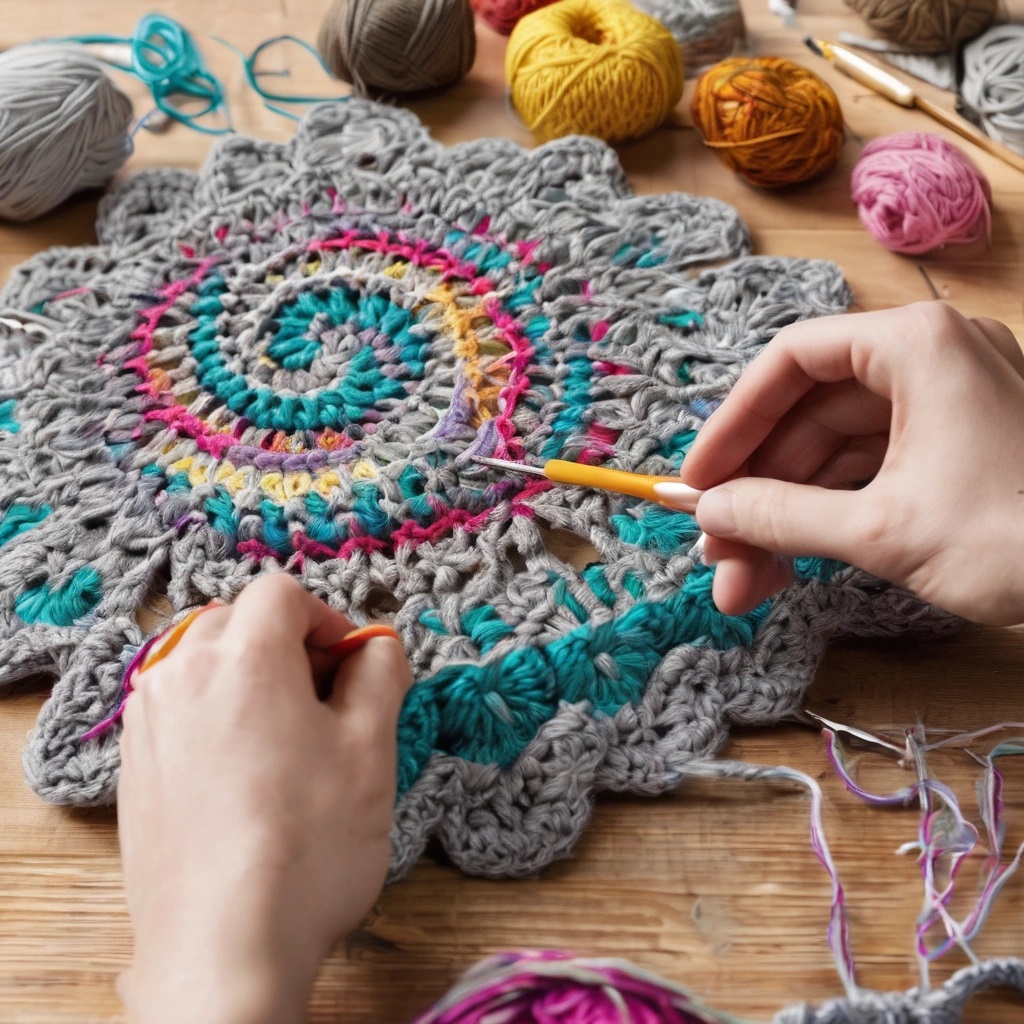
Learning how to surface crochet transformed my plain projects into eye-catching masterpieces with minimal effort. This versatile technique allows you to add decorative details to finished crochet pieces, creating beautiful embellishments that truly stand out.
What is surface crochet exactly? It's a method where you crochet (slip stitch) on top of an already completed piece, creating a distinctive 3D effect. I love that I can simply crochet a project in one color and then add intricate details afterward. Additionally, tension control is crucial when using this technique – too tight and your garment won't fit properly, too loose and it may develop unsightly snags.
Whether you want to add stripes, ribbing, edging, or create shapes, numbers, and even words, the design possibilities are truly endless. In fact, surface crochet works exceptionally well in the round and can be worked both laterally across spaces between stitches or vertically. If you've ever wondered how to crochet on top of crochet or how to do surface crochet properly, this beginner-friendly guide will walk you through everything you need to know.
What is Surface Crochet and Why Use It
Surface crochet goes beyond basic embellishment – it's essentially a form of artistic expression achieved through slip stitches worked on the surface of your completed projects. Rather than incorporating decorative elements during the construction phase, this technique allows me to add creative details after my project is finished.
The beauty of surface crochet lies in its versatility. I can use it to:
- Add colorful stripes to monotone blankets
- Create ribbing or edging on hats and bags
- Outline designs to make them pop
- "Draw" decorative patterns on any crochet piece
- Even join granny squares with completely flat seams
Surface crochet works particularly well on items made with single crochet stitches, which create a neat "canvas" for your designs. Moreover, though it excels on flat pieces worked in rows, you can still apply this technique to projects worked in the round by simply joining at the end of each round and working in opposite directions.
What makes surface crochet so appealing is its accessibility – it feels almost like "cheating" because it's so straightforward. Furthermore, it gives me the power to transform plain, finished items with new colors and patterns whenever inspiration strikes, making it perfect for personalizing gifts or refreshing older creations.
How to Do Surface Crochet: Step-by-Step
Ready to start surface crocheting? The process is straightforward once you understand the basic technique. First, I'll show you exactly how to add this beautiful embellishment to your finished projects.
The most important thing to remember is that your working yarn should always remain at the back of your work while doing surface crochet. To begin, you have two options. You can either:
- Use a slip knot on your hook (adds security to the starting stitch)
- Fold your working yarn in half (prevents the knot from showing through)
Next, insert your hook through your project where you want to start your design. Pull up a loop through to the front side. For the following stitch, insert your hook into the next desired space, yarn over, and pull through both your work and the loop on your hook.
Continue this pattern, working slip stitches across your project until your design is complete. The beauty of surface crochet is its adaptability - you can work in any direction needed for your pattern.
Once finished, fasten off by pulling up a final loop, cutting the yarn, and pulling the tail through to secure it. Finally, weave in your ends to ensure your surface crochet stays in place.
This technique works wonderfully on all types of crochet and knit projects, making it a valuable skill for any crafter's toolkit.
Tips for Better Results and Creative Ideas
Mastering tension is the cornerstone of successful surface crochet work. I've found that controlling my tension correctly prevents common problems like puckering or sloppy appearances. If your tension is too tight, your garment's fit will be affected and may cause unsightly puckering; conversely, loose tension creates a messy look and risks snagging.
To achieve better results, I recommend adjusting your hook size. I prefer using a smaller hook for narrower, more defined stitches, albeit with adjusted "drag" to maintain appropriate looseness. Beginners should consider starting with hook sizes E-J (US) or 3.5mm-7mm (UK).
Single crochet fabric provides the ideal canvas for surface crochet—almost like creating your own graph paper to "draw" on. For projects worked in the round, join at the end of each round then turn and work in the opposite direction to keep stitches aligned.
For creative designs, I use grid paper to plan patterns beforehand. There are three types to choose from: square (1:1 ratio), vertical rectangles (1.25:1), and horizontal rectangles (1:1.25). This planning helps me create letters, words, and personalized details.
Practice first on a 4" square swatch, starting with vertical and horizontal rows before attempting more complex designs. As with any crochet technique, consistency within a project is key.
Conclusion
Surface crochet truly stands as one of the most accessible yet impactful techniques available to crochet enthusiasts of all skill levels. After learning this method, I've transformed countless plain projects into personalized creations with minimal effort. The slip stitch technique creates beautiful raised designs that add dimension and character to otherwise simple pieces.
Before trying surface crochet, many of my projects lacked that special finishing touch. However, once I mastered this technique, I gained the ability to add colorful accents whenever inspiration struck. The beauty of surface crochet lies not just in its decorative potential but also in its forgiving nature—mistakes can be easily removed without damaging your base fabric.
Remember to maintain consistent tension throughout your surface crochet work. Additionally, planning your designs on grid paper beforehand helps achieve professional-looking results, especially when creating words or specific shapes. Practice on small swatches first, then gradually move to larger projects as your confidence grows.
Surface crochet opens up endless creative possibilities for personalizing gifts, revitalizing old projects, or simply adding that perfect finishing detail. The technique works equally well on flat pieces and projects worked in the round, making it incredibly versatile across all crochet applications. Most importantly, it brings joy to the crafting process—allowing you to "draw" with yarn and express yourself in entirely new ways.
The next time you finish a plain crochet piece, consider what surface crochet embellishments might enhance it. Soon enough, you'll wonder how you ever created without this wonderful technique in your crafting toolkit.


