

Blog
Which crochet stitch uses the least amount of yarn?

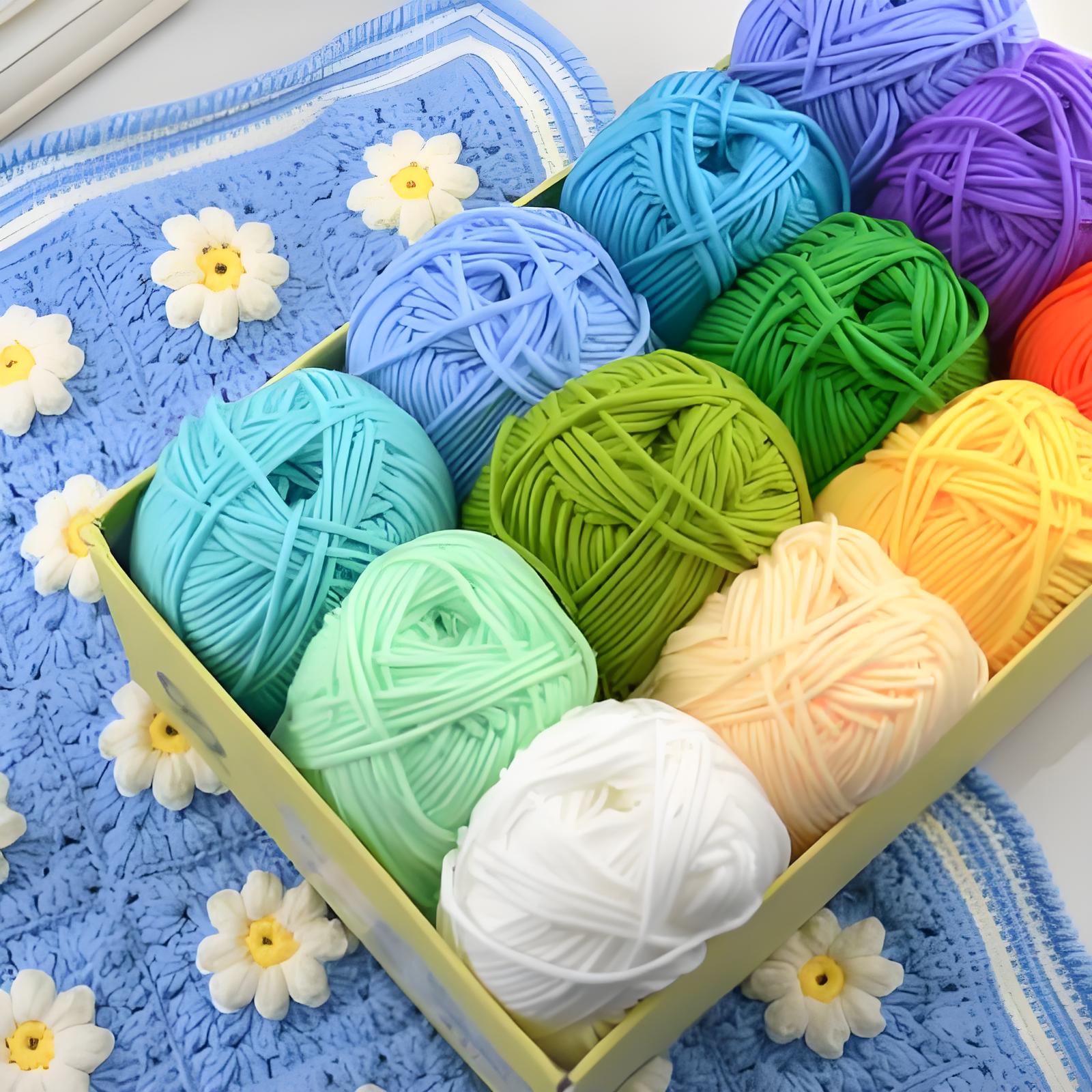
The crochet stitch that uses the most minor yarn is the single crochet (sc).
- Single Crochet: The single crochet stitch is one of the most basic and commonly used. It is worked by inserting the hook into the stitch, yarning over, pulling up a loop, yarning over again, and pulling through both loops on the hook. Single crochet creates a dense, sturdy fabric for various projects, including amigurumi, dishcloths, and blankets.
- Double Crochet: The double crochet stitch is another essential and versatile stitch. It is worked by yarning over, inserting the hook into the stitch, yarning over again, pulling up a loop, yarning over, and pulling through two loops on the hook, then yarning over and pulling through the remaining two loops. Double crochet creates a more open, lacy fabric than single crochet, making it ideal for garments, shawls, and scarves.
- Half Double Crochet: The half double crochet stitch is a combination of single and double crochet and is worked by yarning over, inserting the hook into the stitch, yarning over again, pulling up a loop, and pulling through all three loops on the hook. Half double crochet creates a slightly thicker fabric than single crochet but not as open as double crochet, making it an excellent choice for various projects, including hats, cowls, and blankets.
- Treble Crochet: The treble crochet stitch is a taller stitch that is worked by yarning over twice, inserting the hook into the stitch, yarning over again, pulling up a loop, yarning over, and pulling through two loops on the hook, then yarning over and pulling through the remaining two loops. Treble crochet creates a very open, lacy fabric for garments, shawls, and scarves.
- V-Stitch: The V-stitch is a simple and quick stitch that is worked by double crocheting twice into the same stitch, then chaining one and skipping the next stitch. This creates a "V" shape, hence the name. V-stitch creates a light, airy fabric that is great for summer garments, shawls, and scarves.
- Shell Stitch: The shell stitch is a decorative stitch that is worked by making a series of double crochets into the same stitch, then skipping a few stitches and repeating the process. This creates a "shell" shape, hence the name. Shell stitch creates a textured, lacy fabric for garments, shawls, and scarves.
- Popcorn Stitch: The popcorn stitch is a textured stitch that is worked by making a series of double crochets into the same stitch, then removing the hook from the loop and inserting it into the first double crochet of the group, yarning over, and pulling through all the loops on the hook. This creates a "popcorn" shape, hence the name. Popcorn stitch creates a thick, textured fabric for blankets, pillows, and other home decor items.
- Cluster Stitch: The cluster stitch is a textured stitch that is worked by making a series of incomplete double crochets into the same stitch, then yarning over and pulling through all the loops on the hook. This creates a "cluster" shape, hence the name. Cluster stitch creates a thick, textured fabric for blankets, pillows, and other home decor items.
- Bobble Stitch: The bobble stitch is a textured stitch that is worked by making a series of incomplete double crochets into the same stitch, then yarning over and pulling through all the loops on the hook, leaving one loop on the hook. This creates a "bobble" shape, hence the name. Bobble stitch creates a thick, textured fabric for blankets, pillows, and other home decor items.
- Puff Stitch: The puff stitch is a textured stitch that is worked by yarning over, inserting the hook into the stitch, yarning over again, pulling up a loop, and repeating the process several times. Then, yarning over and pulling through all the loops on the hook, leaving one loop on the hook, creates a "puff" shape, hence the name. Puff stitch creates a thick, textured fabric for blankets, pillows, and other home decor items.

The single crochet stitch is often the most economical choice when using the least amount of yarn. This is because it creates a dense fabric that requires fewer stitches per inch than other stitches. However, the amount of yarn used can also depend on the size of the project, the type of yarn, and the tension of the crocheter.
Related Posts

How Do You Spell Crochet? Master Crochet Abbreviations and Definitions

What is Crochet?
Crochet is a needlework technique that involves using a hooked needle to create fabric by interlocking loops of yarn ...

What's the Real Difference Between Crochet vs Knitting?
The crochet vs knitting debate has sparked discussions among craft enthusiasts, and the numbers speak volumes. Ravelry hosts 574,047 kn...

10 Creative Things You Could Crochet: Unlock Your Crafting Potential
Introduction to Crochet and Its Benefits
Crochet is more than just a pastime; it's a form of art that allows us to express creativity ...

How to Surface Crochet: The Beginner-Friendly Guide to Adding Beautiful Details
Learning how to surface crochet transformed my plain projects into eye-catching masterpieces with minimal effort. This versatile techni...
Mastering Crochet Amigurumi: Tips and Techniques for Creating Adorable Plush Toys
Welcome to the world of crochet amigurumi, where creativity meets craftsmanship to bring whimsical plush toys to life. Whether you're a...

How to Crochet for Absolute Beginners: A Simple Weekend Guide
Did you know that learning to crochet can be more than just a creative hobby? Many people report significant improvements in their ment...

Crochet Hook Size Chart: Unlocking the Secrets to Successful Crochet
As I embarked on my crochet journey, one of the first things I had to grasp was the concept of crochet hook sizes. At first glance, thi...

How to do Double Crochet(dc)
A double crochet stitch (abbreviated as dc) is a basic crochet stitch that creates a tall and open fabric.
How to do double crochet (S...

How to do Half Double Crochet(hdc)
It is abbreviated to "hdc" in crochet patterns.
How to do half double crochet (STEP-BY-STEP WITH PHOTOS)
...

How to do Slip Stitch(ss)
They are also used to join crochet circles when working in rounds, to add decorative elements to any basic crochet fabric, or to join d...

How to do Single Crochet(sc)
Please note that crochet terms in US and UK are different. In US the stitch is called single crochet, however for British it`s double c...

How to Work Chain Stitch(ch)
A crochet chain stitch is a basic stitch that is often used to create a foundation row or to start a new row. It is abbreviated to "ch"...